By Emmanuel Delplanque, Co-Founder & CEO, BE-CAUSE — Sustainable Supply Chain & ESG Transformation
Introduction: Why most climate strategies fail before they begin
Every year, thousands of companies publish net-zero commitments. Most of them are sincere. Yet the gap between ambition and action remains staggering. The reason is rarely a lack of willpower — it is a lack of sequencing. Companies try to solve everything at once, get overwhelmed by the complexity of Scope 3, and retreat into comfortable reporting exercises that change nothing.
This article proposes a different approach: a staged, pragmatic climate strategy that begins with financial clarity, deepens through supply chain engagement, and ultimately asks the most uncomfortable question of all — is your business model itself compatible with a liveable planet?
Step One — The financial carbon report: finding your "big rocks"
Before you can act, you must see. And before you can see clearly, you need a framework that speaks the language of your executive committee: money.
The first year of your climate journey should be dedicated to producing a financial carbon report — not a compliance exercise, but a genuine strategic diagnostic. The goal is simple: identify your largest emission sources, what we call the "big rocks", and understand their relative weight in your overall footprint.
This financial lens matters for two reasons. First, it forces prioritisation. A company that emits 80% of its carbon through three product categories or two logistics corridors does not need to boil the ocean — it needs to focus. Second, it creates accountability at the right level. When emissions are translated into financial exposure — carbon taxes, stranded assets, regulatory risk, customer attrition — the conversation shifts from the sustainability team to the boardroom.
| Carbon accounting step | Key output | Strategic value |
|---|---|---|
| Scope 1 & 2 inventory | Direct and energy emissions baseline | Immediate reduction targets, renewable energy roadmap |
| Scope 3 hotspot mapping | Top emission categories by weight | Prioritisation of supply chain engagement |
| Financial translation | Carbon cost exposure, regulatory risk | Executive buy-in, capital allocation decisions |
| Materiality assessment | Which categories require deep action | Multi-year roadmap construction |
The financial carbon report is not the end of the journey. It is the map. Without it, every subsequent step risks being misdirected.
Step Two — Scope 3.1: your suppliers are not your enemy, they are your mirror
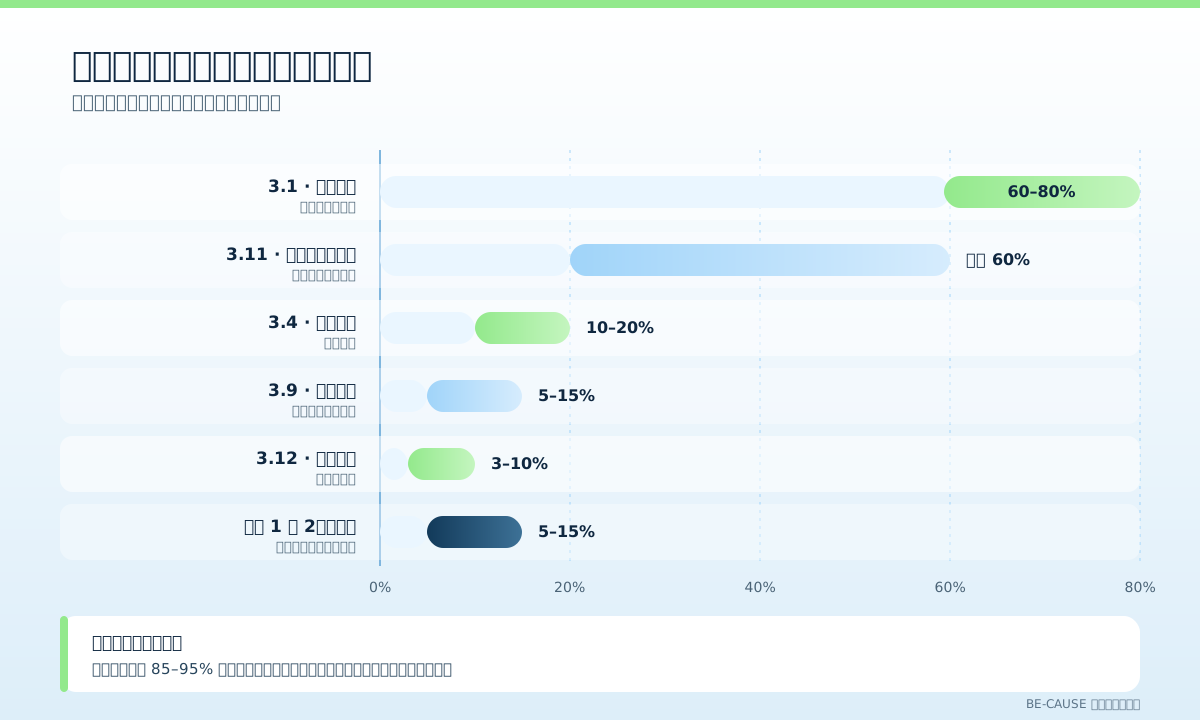
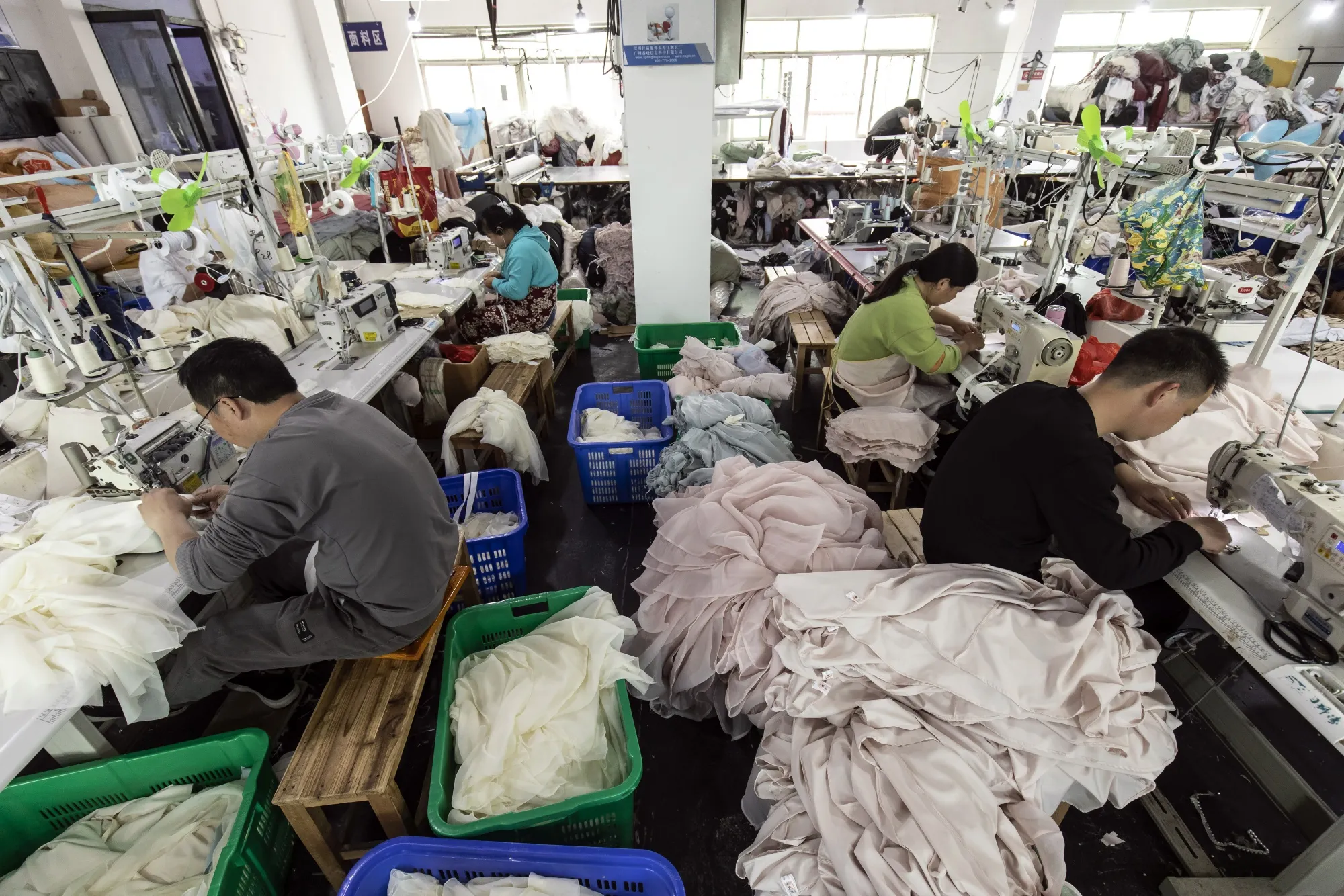
Once you have identified your big rocks, the most significant one for most manufacturing and product companies will be Scope 3, Category 1: Purchased Goods and Services. This is the carbon embedded in everything you buy — raw materials, components, packaging, services. For many companies, it represents 60 to 80% of their total footprint.
The instinct, at this point, is to send a questionnaire to your suppliers. Resist it. Your suppliers — particularly small and medium-sized enterprises — are exactly where you were two or three years ago: they have zero visibility into their own carbon footprint, they do not know where to start, and they are already overwhelmed by competing regulatory demands. Sending them a 40-question ESG survey will generate either silence or fiction.
“You started with zero knowledge too. Give your suppliers the same grace period you gave yourself.”
The right approach is accompaniment, not interrogation. Start by encouraging your strategic suppliers to conduct their own carbon inventory. Help them understand that this is not a compliance burden imposed from above, but a business necessity that will protect their competitiveness in the years ahead. Share your own journey with them — including the confusion, the false starts, and the time it took to build internal expertise. Vulnerability is a powerful tool for building trust in a supply chain.
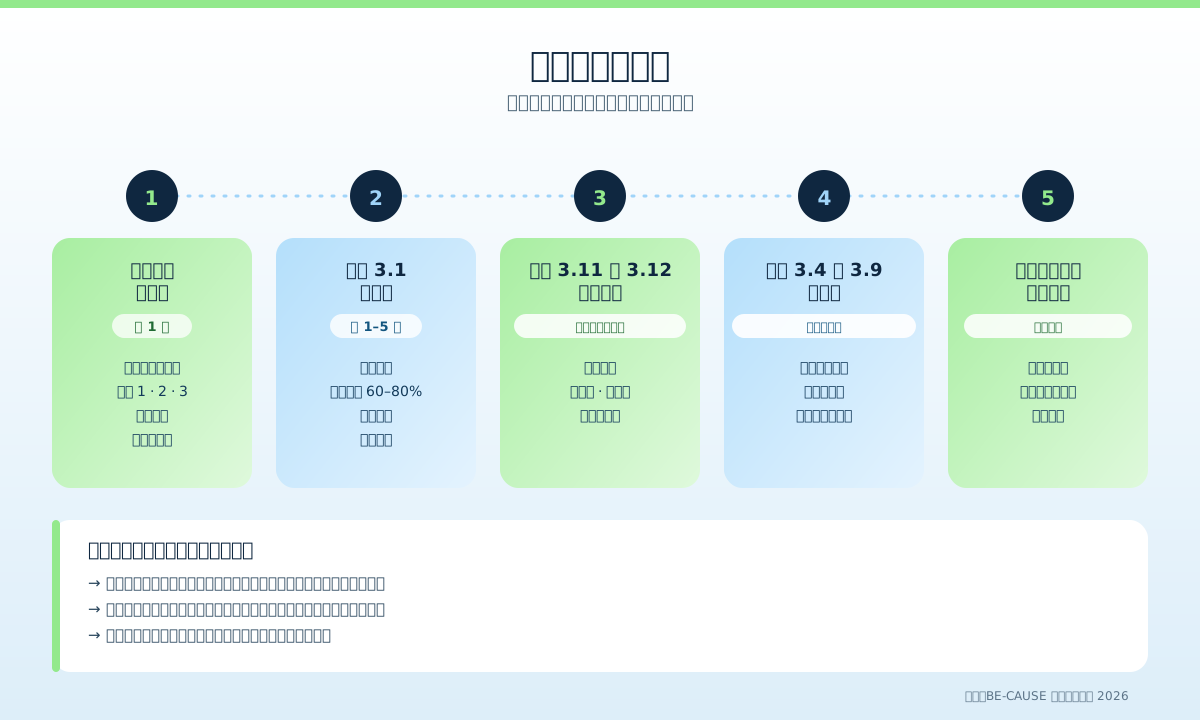
The timeline for meaningful Scope 3.1 engagement is measured in years, not quarters. A realistic roadmap looks like this:
- Year 1–2: Identify your top 20 suppliers by spend and estimated carbon weight. Initiate dialogue. Offer tools and methodologies.
- Year 2–3: Co-develop carbon reduction targets with willing suppliers. Integrate carbon performance into sourcing criteria — not as a penalty, but as a selection signal.
- Year 3–5: Build a tiered supplier ecosystem where sustainability performance is a genuine differentiator in contract renewal decisions.
The companies that will win the Scope 3.1 battle are not those that issue the most demanding supplier codes of conduct. They are those that invest in their suppliers' capacity to change.
Step Three — Scopes 3.11 and 3.12: the circular economy is not a trend, it is the answer
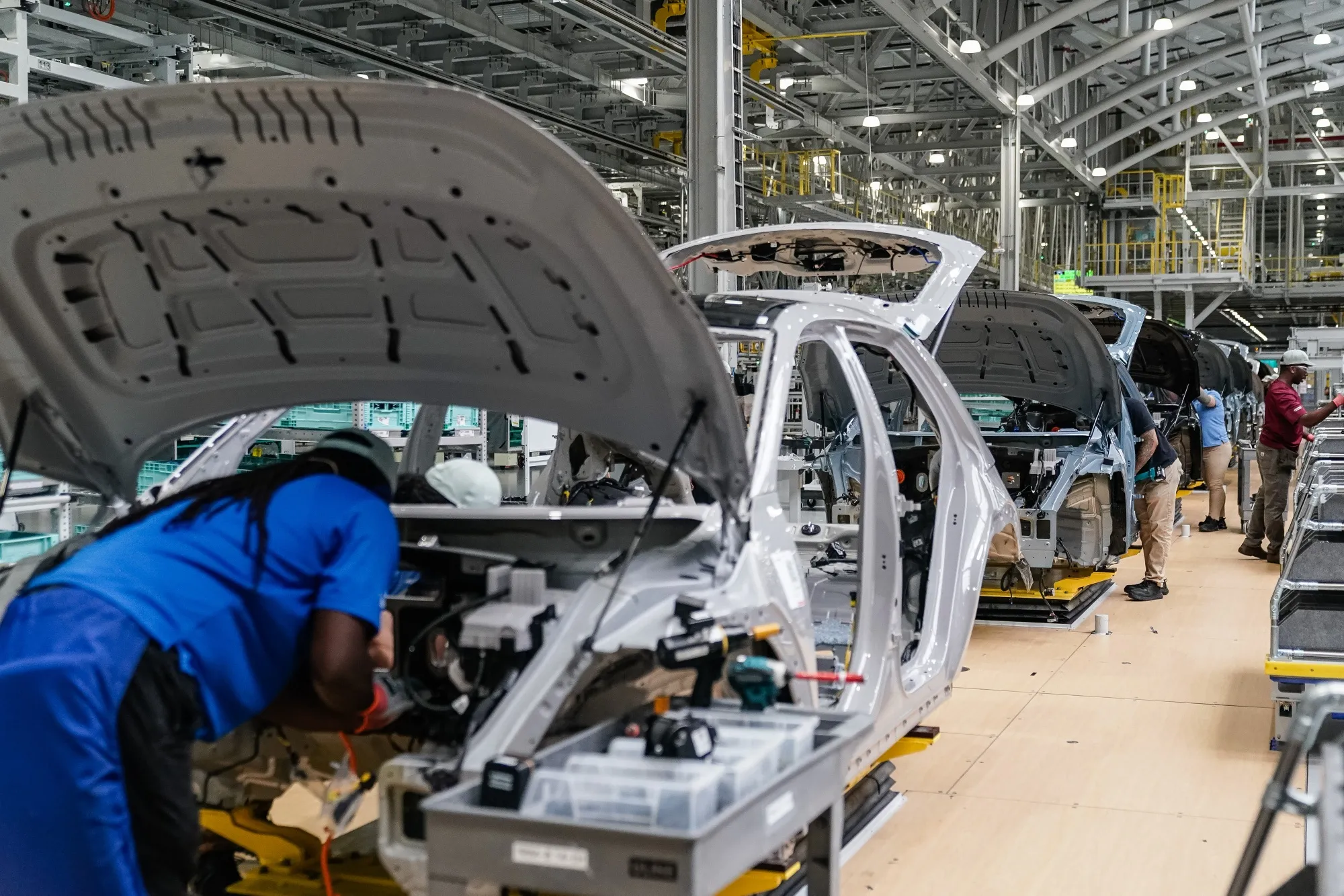
Scope 3, Category 11 (Use of Sold Products) and Category 12 (End-of-Life Treatment of Sold Products) represent the emissions generated by your customers when they use and dispose of what you sell. For consumer goods, electronics, chemicals, and packaging-intensive industries, these two categories can dwarf everything else in your footprint.
This is where the climate strategy conversation must expand into ecodesign and circular economy. The logic is straightforward: if the carbon problem is embedded in how your product is used and discarded, then the solution must be embedded in how your product is designed. You cannot decarbonise a single-use product through logistics optimisation or renewable energy procurement. You must redesign it at the root.
Ecodesign asks a different set of questions at the product development stage:
- Can this product be made from recycled or bio-based materials without compromising performance?
- Can it be designed for disassembly, so that components can be recovered and reused at end of life?
- Can the product's lifespan be extended through modularity, repairability, or software updates?
- Can the business model shift from product ownership to product-as-a-service, retaining material responsibility and incentivising longevity?
| Circular strategy | Impact on Scope 3.11 | Impact on Scope 3.12 |
|---|---|---|
| Extended product lifespan | Fewer replacement cycles, lower use-phase emissions | Delayed end-of-life, reduced waste volume |
| Modular design | Lower energy consumption through optimised components | Selective disassembly, higher material recovery rates |
| Product-as-a-service | Manufacturer retains material ownership, incentivises efficiency | Closed-loop return and refurbishment |
| Recycled content | Reduced extraction emissions upstream | Higher recyclability at end of life |
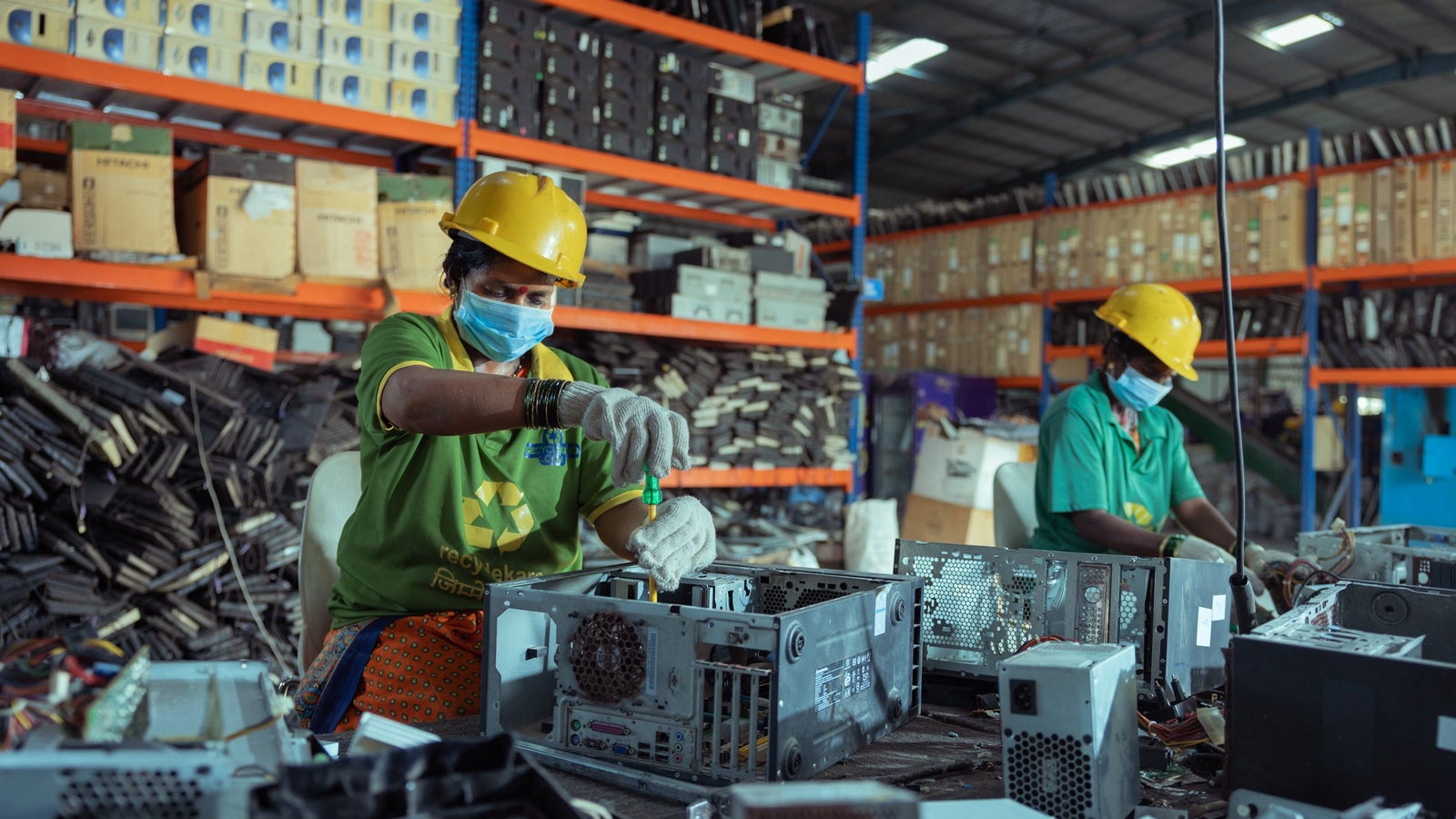
The companies that embed circular economy principles into their product strategy today are not doing so out of altruism. They are doing so because the regulatory environment — from the EU Ecodesign Regulation to Extended Producer Responsibility schemes — is making linear product models economically unviable. The question is not whether to redesign your products, but whether you do it proactively or reactively.
Step Four — Scopes 3.4 and 3.9: rethinking the flows that move your world
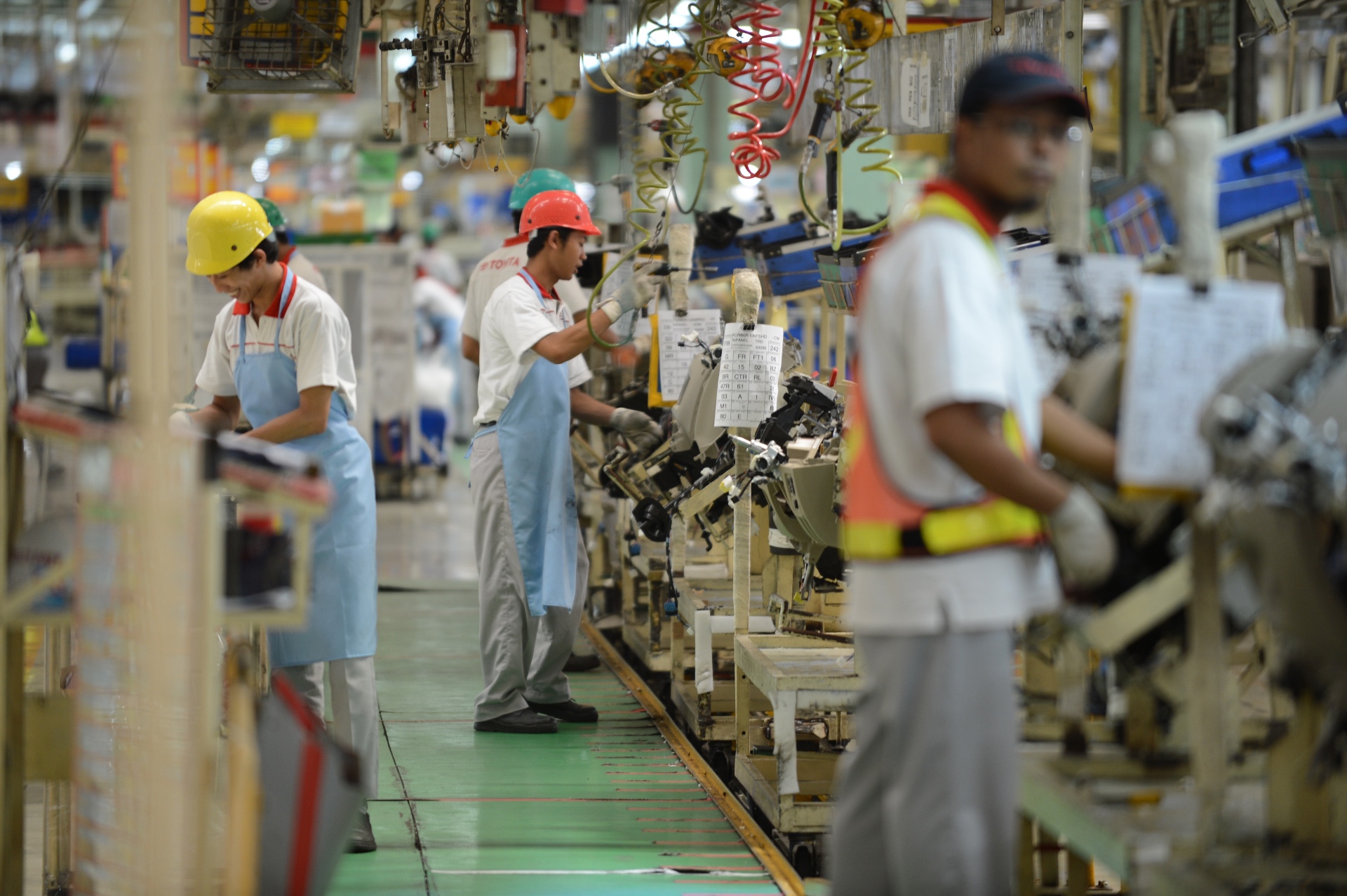
Scope 3, Category 4 (Upstream Transportation and Distribution) and Category 9 (Downstream Transportation and Distribution) cover the carbon generated by moving goods — from your suppliers to your facilities, and from your facilities to your customers. For many companies, these categories represent a significant and underestimated share of the total footprint. They are also, paradoxically, among the most actionable — because they involve decisions that are already made regularly: carrier selection, routing, modal choice, inventory positioning, and packaging density.
On upstream flows (Scope 3.4)
- Prioritising suppliers located closer to production sites where quality and cost allow, reducing transport distances.
- Shifting from air freight to sea or rail for non-urgent shipments.
- Consolidating orders to reduce shipment frequency and improve load factors.
- Requiring carbon data from logistics providers as a standard tender criterion.
On downstream flows (Scope 3.9)
- Redesigning packaging to maximise volume efficiency and reduce the number of vehicles required per unit of product.
- Shifting last-mile delivery models toward lower-emission alternatives — electric vehicles, cargo bikes, consolidated delivery points.
- Rethinking inventory positioning to reduce emergency shipments and expedited freight.
- Engaging retailers and distributors in collaborative logistics programmes.

The transport decarbonisation conversation also opens a broader strategic question: how much of your carbon footprint is a consequence of your supply chain geography? A company that sources from three continents, manufactures in two, and distributes globally has structurally embedded a large transport footprint into its business model. Addressing Scopes 3.4 and 3.9 meaningfully may require rethinking not just how you move things, but where you make them and for whom.
Step Five — Breaking through your limits: is your business model built to last?
This is the question that most climate strategies never reach. They stop at emissions reduction targets, carbon accounting improvements, and supplier engagement programmes. All of these are necessary. None of them are sufficient.
The deepest question your climate strategy must eventually confront is this: is your business model itself compatible with a world that needs to decarbonise, adapt to climate disruption, and regenerate its natural systems? This is not a philosophical question. It is a strategic one. And it has a very practical test: can your company survive and thrive for the next 40 years in a world shaped by climate constraints?
Consider what that world looks like. Carbon pricing will be pervasive. Physical climate risks — floods, droughts, heat stress — will disrupt supply chains, infrastructure, and labour markets. Consumer and institutional preferences will continue shifting toward low-impact products and services. Regulatory frameworks will tighten progressively across every major market. The cost of inaction will compound. Against this backdrop, a business model built on volume growth, planned obsolescence, fossil-fuel-dependent logistics, and linear material flows is not just environmentally problematic — it is financially fragile.
The business models that will survive are those built on:
- Dematerialisation: delivering value through services, experiences, and information rather than physical goods wherever possible.
- Regenerative sourcing: building supply chains that restore rather than deplete natural capital — soil health, biodiversity, water cycles.
- Resilience by design: diversifying supply chains, building redundancy, and reducing exposure to single-point climate risks.
- Stakeholder alignment: creating genuine value for employees, communities, and ecosystems — not as a CSR add-on, but as a core business logic.
- Long-term capital thinking: measuring success over decades, not quarters, and attracting investors who share that horizon.
This is not naive idealism. It is the competitive logic of the 21st century. The companies that will be relevant in 2050 are already making these structural choices today. They are not waiting for regulation to force their hand. They are redesigning their business models because they understand that sustainability and durability are the same thing.
Conclusion: The climate strategy as a learning journey
What this roadmap describes is not a project with a start and an end date. It is a learning journey — one that begins with financial clarity, deepens through supply chain relationships, transforms through product redesign, and ultimately challenges the very foundations of how value is created and captured.
The companies that will navigate this journey successfully share a common trait: they approach it with intellectual humility. They know they do not have all the answers. They know their suppliers do not either. They know that the science will evolve, the regulations will shift, and the technology will surprise them. And they build organisations capable of learning faster than the world changes around them.
Your carbon report is not the destination. It is the first honest conversation your company has with itself about what it is, what it does, and what it wants to become. Start there. The rest will follow.
BE-CAUSE helps CPOs, CSCOs, Chief Sustainability Officers, and CEOs build sustainable supply chains through AI-powered material analysis, supplier audit platforms, and corporate training programmes. Contact us to begin your climate strategy journey.
常见问题
参考资料
- GHG Protocol — Corporate Value Chain (Scope 3) Standard
- CDP — Global Supply Chain Report
- European Commission — Ecodesign for Sustainable Products Regulation (ESPR)
- Ellen MacArthur Foundation — Circular Economy Introduction
- Science Based Targets initiative (SBTi) — Corporate Net-Zero Standard
- IEA — Net Zero by 2050 Roadmap
- BE-CAUSE — Sustainable Supply Chain & ESG Transformation