
By Emmanuel Delplanque, Co-Founder & CEO of BE-CAUSE. The commitment is there. The teams are mobilised. The budgets are allocated. And yet, in the corridors of large multinationals, a quiet frustration keeps growing: decarbonisation and ESG compliance of supply chains are simply not moving fast enough.
In recent conversations with major industrial players — none of which we will name — a striking pattern emerged. Entire teams, sometimes up to eighty people, are dedicated to tracking supplier carbon emissions and ESG progress. The energy deployed is colossal. The general feeling is that the machine is spinning its wheels.
This is not an isolated phenomenon. From automotive to fashion, from food and beverage to chemicals, large companies hit the same wall of complexity when they try to engage their suppliers. Why is there such a gap between stated ambition and reality on the ground?
The crushing weight of Scope 3
To understand the challenge, look at the numbers. Indirect emissions — Scope 3 — represent on average around 75% of a company's total carbon footprint. In some sectors, such as capital goods or financial services, that figure exceeds 90%.
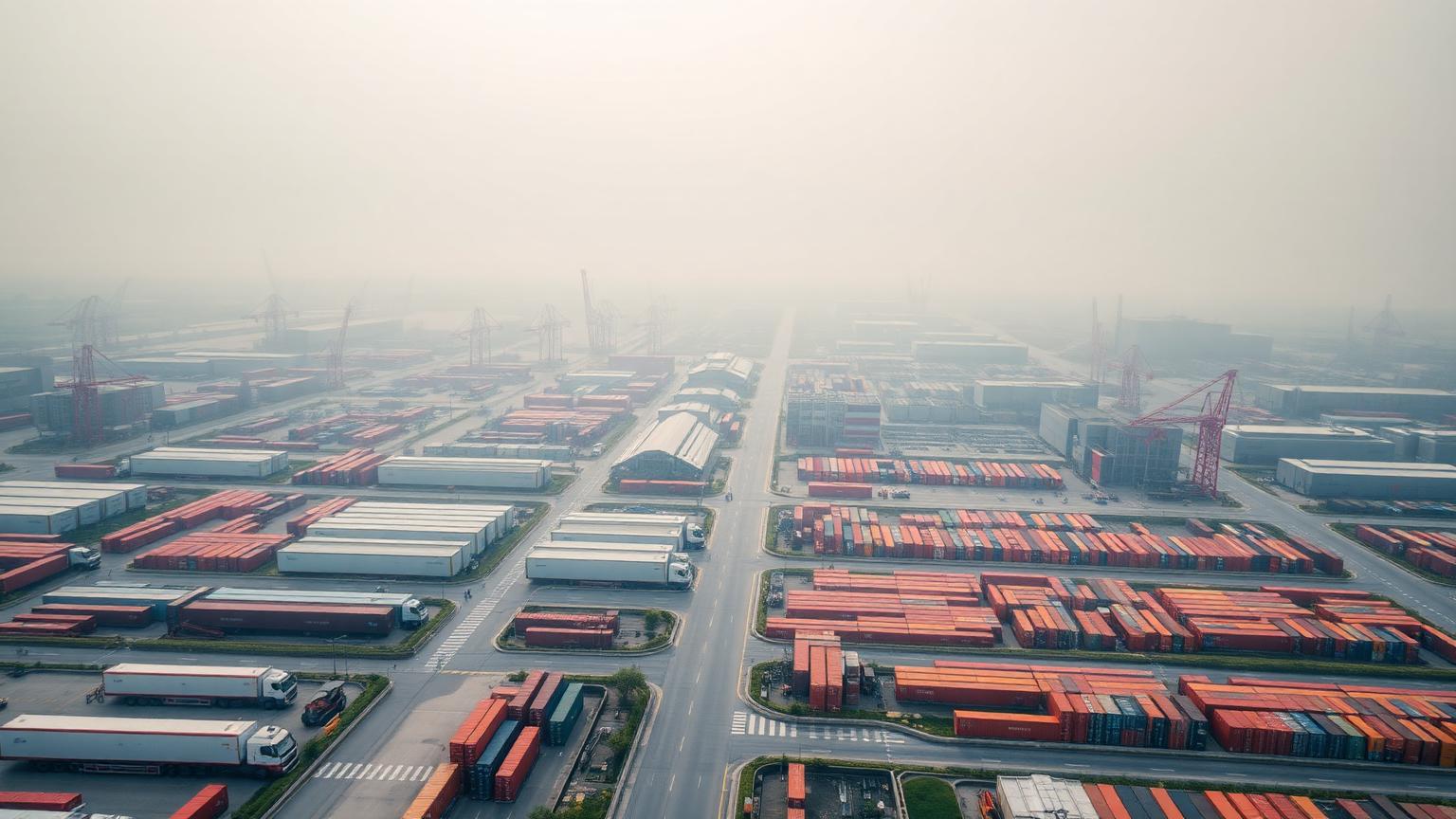
This means the climate battle is not won inside the buyer's own factories. It is won at its suppliers, its subcontractors, and its suppliers' suppliers. The World Economic Forum has highlighted that only eight supply chains — food, construction, fashion, fast-moving consumer goods, electronics, automotive, professional services and freight — account for more than 50% of global greenhouse gas emissions.
And yet, despite the critical importance of this link, a recent study found that only 19% of companies have fully embedded ESG considerations into their day-to-day supply chain operations. The gap between intention and execution is wide open.
The roots of the slowdown
Several factors explain this frustrating slowness, and they are common to almost every heavy, globalised industry.
1. Survey fatigue
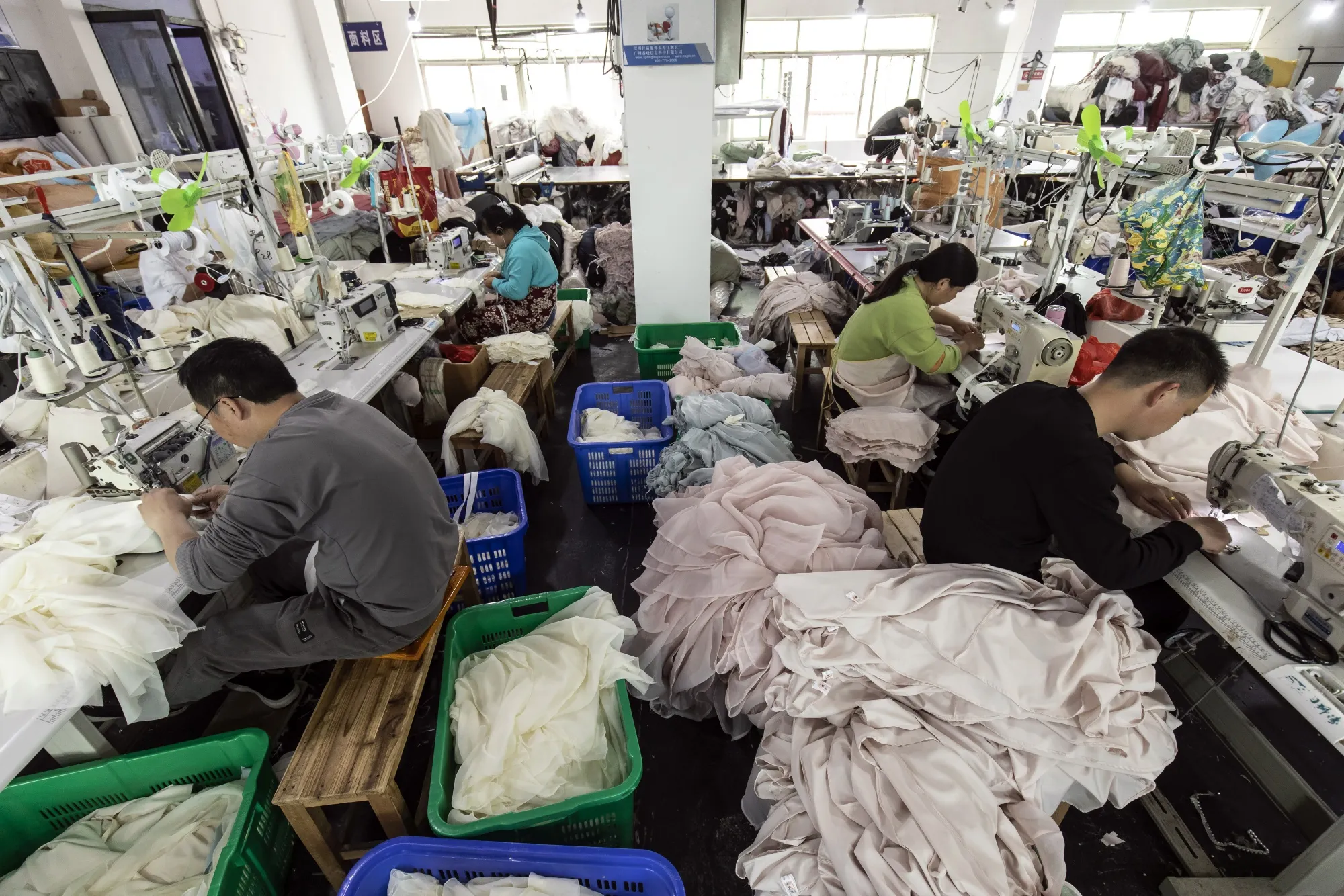
This is probably the most visible symptom. Suppliers — especially those working with multiple large customers — are flooded with ESG questionnaires, compliance audits and carbon data requests. Every client has its own format, its own requirements and its own platform.
This overload creates genuine supplier fatigue. Faced with the technical complexity of the requests and the lack of standardisation, many suppliers, and SMEs in particular, lack the resources or the expertise to answer properly. The result: incomplete data, endless delays, or simply radio silence.
“A supplier answering fourteen different carbon questionnaires is not decarbonising. It is doing data entry.”
— BE-CAUSE
2. The lack of reliable primary data
Many companies still rely on secondary data — spend-based estimates and sector averages — to calculate their Scope 3. That is an acceptable starting point, but it cannot measure real reductions. A spend-based line only falls when you buy less or negotiate a lower price; it never rewards a supplier that replaces a coal boiler with electric heat.
Obtaining primary data — the real footprint of a specific product, or a supplier's actual direct emissions — is an uphill battle. Suppliers hesitate to share it for competitiveness reasons, or simply because they have never measured it.

3. Growing regulatory pressure (CSRD, CSDDD)
European regulations such as the CSRD (Corporate Sustainability Reporting Directive) and the CSDDD (Corporate Sustainability Due Diligence Directive) are turning what used to be a voluntary commitment into a strict legal obligation.
Companies must now prove the traceability of their supply chains or face financial penalties and reputational risk. That level of requirement demands audit-grade rigour, which considerably slows supplier onboarding and validation. The urgency of compliance sometimes takes precedence over supporting suppliers through the transition.
4. The disconnect between procurement and sustainability
In many organisations, the sustainability team sets the targets while the procurement team owns the supplier relationship. If ESG criteria are not embedded into purchasing contracts and sourcing decisions with the same weight as cost, quality and lead time, suppliers will see no incentive to change.
How to accelerate
To break the deadlock, companies must rethink their approach to supplier engagement. The era of simple data collection is over; what works now is active collaboration.
Segmentation and prioritisation
Rather than sending the same questionnaire to 10,000 suppliers, companies must identify those with the greatest impact on their emissions and their strategic risk. Concentrating support on the 20% of suppliers responsible for 80% of emissions delivers far faster results.
Standardisation and mutualisation
Sector-level initiatives are crucial. By using common standards or shared platforms, industries can reduce the reporting burden on suppliers, freeing their time for actual emission reductions rather than data entry.
From audit to capability building
Suppliers should no longer be seen as entities to audit, but as partners to support. Large companies must invest in supplier training, co-finance decarbonisation projects, or offer preferential payment terms to those that reach their sustainability targets.
What this looks like in practice
- Map before you measure. Screen the whole value chain digitally, tier by tier, and rank suppliers by emissions, regulatory exposure and dependency — not by spend alone.
- Ask once, ask well. Replace overlapping questionnaires with a single structured assessment whose output can feed CSRD, CSDDD and customer requests at the same time.
- Grade maturity, do not just score compliance. A supplier that needs training is not the same problem as a supplier that needs capex co-financing; treating both identically wastes years.
- Put ESG in the contract. Weight sustainability criteria in sourcing decisions alongside cost, quality and lead time, and make the buyer accountable for it.
- Keep data where the law wants it. For suppliers in China, raw data must stay on China-based servers under Decrees 834/835 and PIPL, while only computed scores travel to headquarters.
Conclusion
The frustration felt by sustainability teams inside large companies is legitimate. Decarbonising Scope 3 is a monumental and extraordinarily complex challenge. But this slowness is not inevitable. By moving from punitive compliance to strategic partnership and capability building, multinationals can turn their supply chain into a genuine lever of positive impact. The road is long, but it is the only one that leads to a truly sustainable economy.
How BE-CAUSE unblocks supplier engagement
- Digital screening of the whole value chain, including the Tier 2 and Tier 3 layers most brands cannot name.
- Net Zero Pulse — a maturity assessment that measures where each supplier really stands on measurement, governance, energy and data readiness.
- Strategic Suppliers Development Program — capability building with your strategic suppliers, with milestones tied to your CSRD and CSDDD calendar, and an optional physical assessment in China with a third-party inspection body.
- China-compliant data architecture, so audit-grade supplier data reaches headquarters without cross-border data risk.
If your team is spending more time chasing questionnaires than reducing emissions, start with the diagnosis: run our free supply-chain assessment and see where your engagement effort is actually being lost.
Frequently asked questions
References
- MIT Sloan — Scope 3 emissions top supply chain sustainability challenges (December 2024)
- Normative — Scope 3 supplier engagement: collecting primary carbon data
- Open Supply Hub — The Big Eight: what is responsible for 50% of global greenhouse gas emissions?
- Supply Chain Management Review — Bridging the ESG gap in supply chain management: from ambition to action
- Assent — ESG surveys: top 3 tips to overcome supplier fatigue
- World Economic Forum — Net-Zero Challenge: The supply chain opportunity