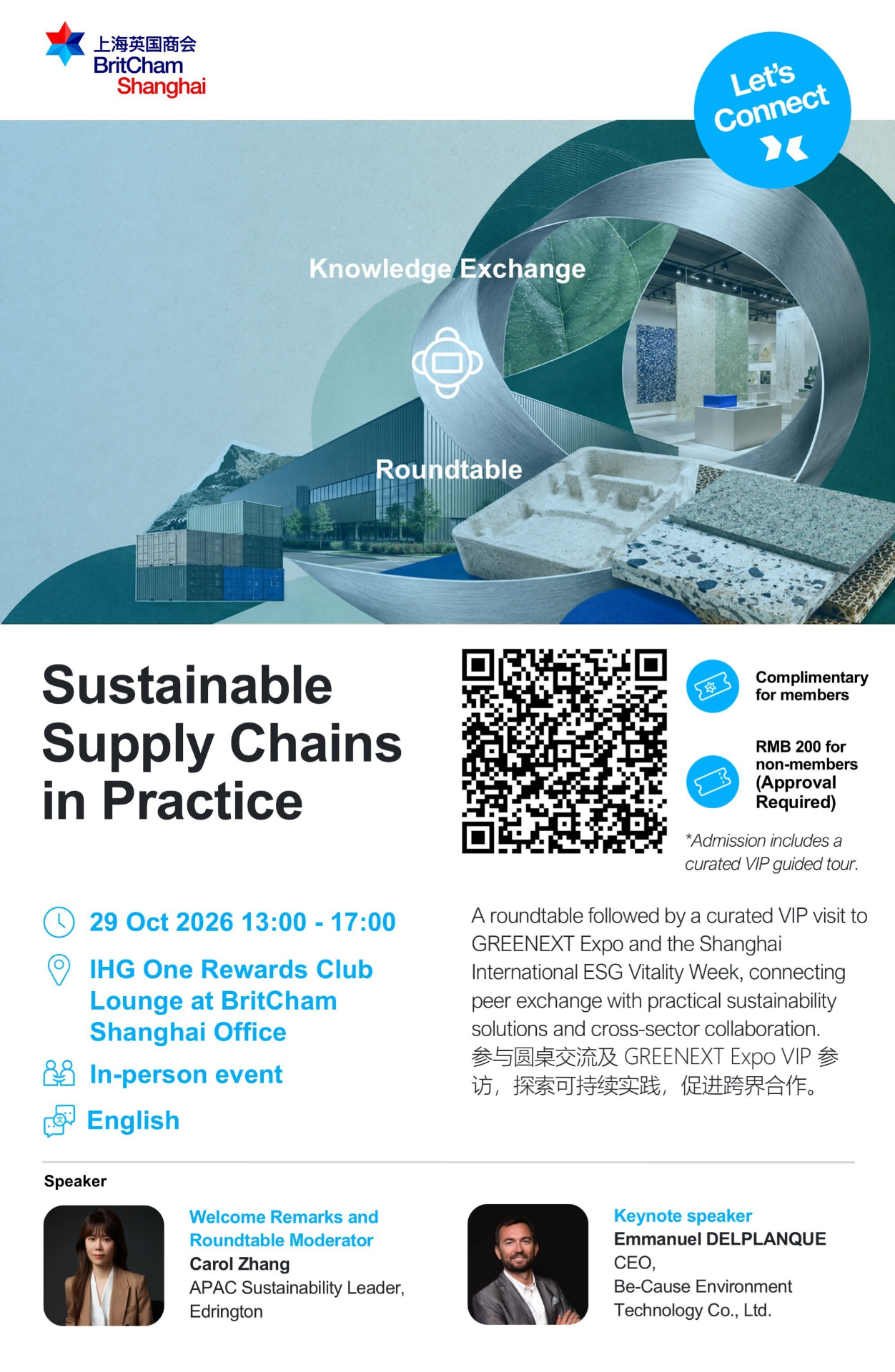

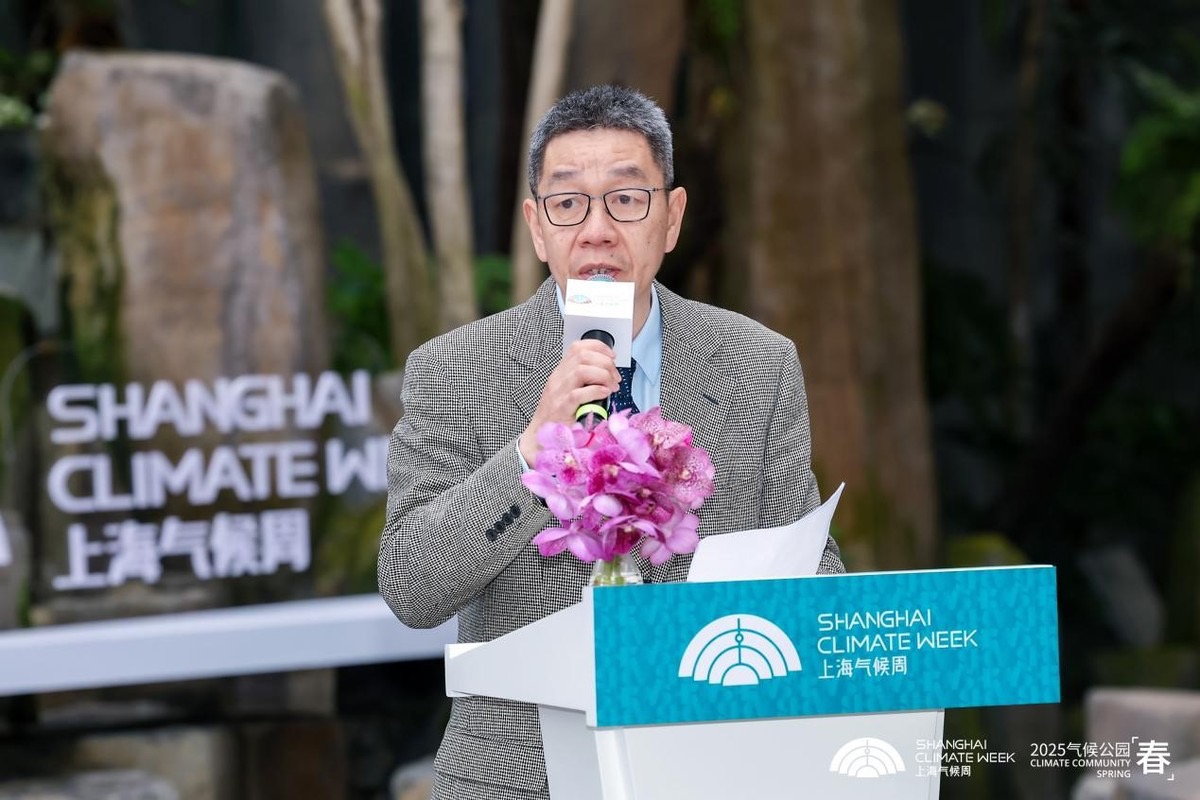
As global climate regulations tighten and the push for net-zero accelerates, the pressure on supply chains has never been greater. At the 2026 Shanghai Climate Week, industry leaders, academic experts, and sustainability practitioners gathered to tackle the most pressing question of the moment: How do we transform supply chain compliance from a cost burden into a driver of real business value?
Before diving into the insights from the two pivotal roundtables at the forum, it is essential to understand the macro environment driving these conversations.
The Global Context: Scope 3 and the Regulatory Squeeze
The urgency surrounding supply chain sustainability is driven by a stark mathematical reality: for most companies, the vast majority of their carbon footprint lies outside their direct control.
On average, Scope 3 (value chain) emissions account for roughly 75% of a company's total greenhouse gas emissions. In heavy industries, this figure is even more pronounced. In the oil and gas sector, for example, Scope 3 emissions — specifically Category 11 (Use of Sold Products) — can comprise between 80% and 95% of a firm's total carbon footprint. This means that even if an oil major completely decarbonizes its extraction and refining operations, it has only addressed a fraction of its true climate impact.
This reality has triggered a wave of stringent global regulations. The European Union's Corporate Sustainability Reporting Directive (CSRD) now mandates Scope 3 reporting for in-scope companies, while California's SB 253 requires companies with over $1 billion in revenue to disclose their full value chain emissions. In China, the regulatory landscape is also shifting rapidly, with mandatory ESG disclosure requirements taking effect for large listed companies, fundamentally altering the compliance baseline for the world's manufacturing hub.
The Emission Factor Controversy: A Misaligned Reality
As companies scramble to calculate these Scope 3 emissions, a critical structural flaw has emerged: the data foundations are often inaccurate. Chinese manufacturers — who form the backbone of global supply chains — are increasingly penalized by outdated Western Life Cycle Assessment (LCA) databases like Ecoinvent and GaBi.
A landmark 2026 study published in The Innovation Energy revealed that these international databases exhibit "considerable uncertainty" and systematically overestimate China's electricity carbon footprint. For instance, Ecoinvent 3.11 relies on Chinese coal-fired power data dating back to 2012, ignoring the massive technological upgrades and the fact that clean energy met 84% of China's new power demand in 2024. The study found that Western databases overestimate the carbon intensity of major Chinese regional grids by more than 25%.
This is not merely an academic issue; it has profound trade implications. Under mechanisms like the EU's Carbon Border Adjustment Mechanism (CBAM), these inflated default emission factors translate directly into higher carbon taxes for Chinese exporters, prompting China's Ministry of Commerce to label the provisions "unfair and discriminatory." In response, China is rapidly building its own Carbon Footprint Management System to provide accurate, localized data that reflects its actual green progress.
The IPE CATI Benchmark
Within China, the Institute of Public and Environmental Affairs (IPE) has been tracking this transition through its Corporate Climate Action Transparency Index (CATI). The 2025 CATI data reveals a significant acceleration: Scope 3 disclosure among tracked companies has reached 60%, a 150% increase since 2021. Furthermore, 37 major brands are now actively driving over 3,200 suppliers to disclose their carbon data.
Yet, as the data shows, disclosure is only the first step. The real challenge lies in management and transformation — which brings us to the core debates of Shanghai Climate Week.
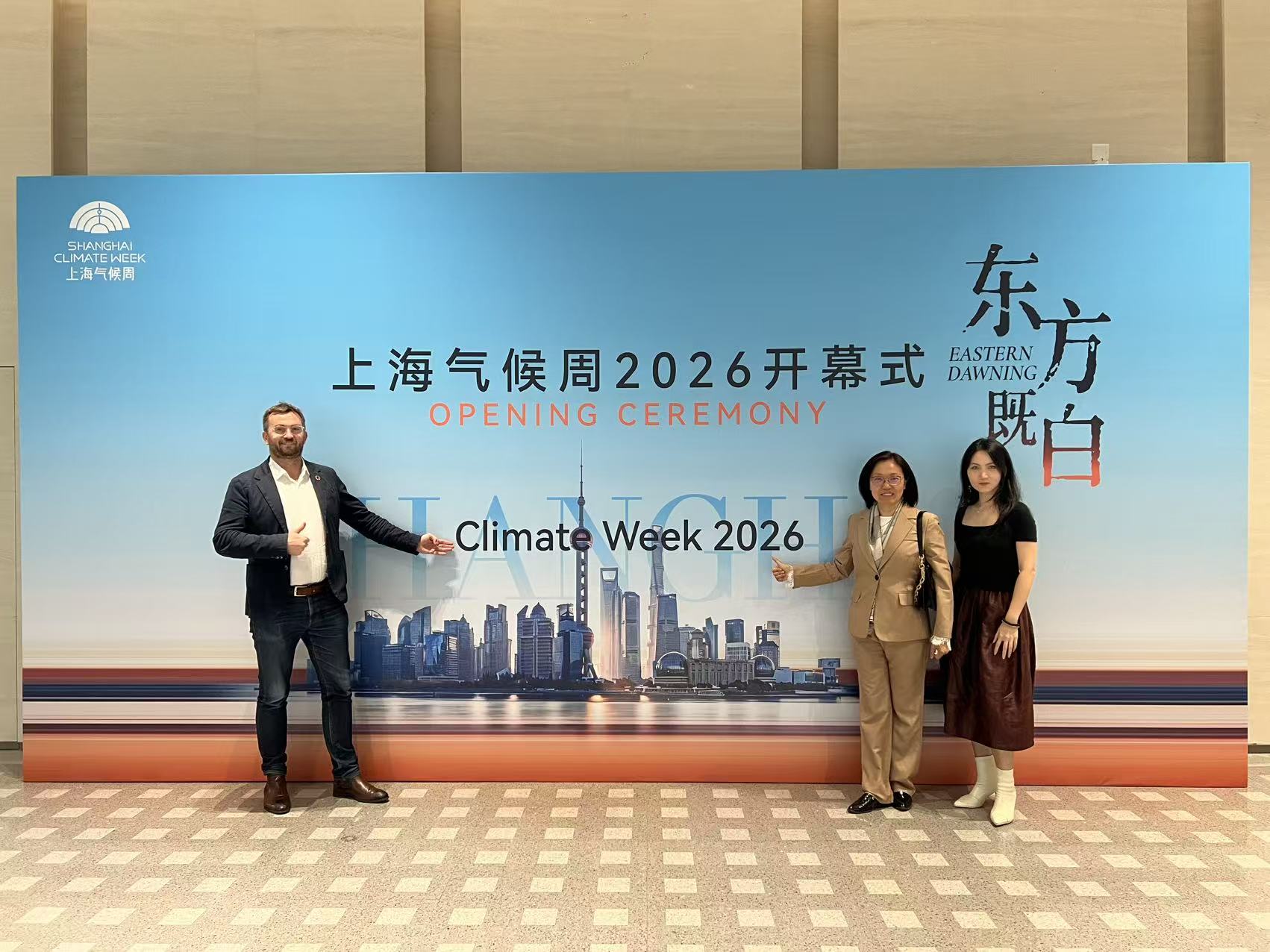
Roundtable 1: The Crossroads of Certification
The first roundtable, titled "The Crossroads of Certification: From 'Compliance Stamp' to 'Value Engine'," focused heavily on the mechanics of carbon accounting and the future of ESG auditing.
The Human Element in a Digital Age
A central debate emerged around the role of technology versus human expertise in the certification process. While digital platforms are essential for managing the sheer volume of supply chain data, experts cautioned against over-reliance on automated systems.
“We cannot blindly trust technology. We must insist on necessary professional human verification... Only then can we effectively drive ESG certification from formal compliance toward true value creation.”
— Professor Qian Gang, Nanjing Audit University
Professor Qian emphasized that while AI and big data can process information, they cannot replace the professional judgment required to assess the value and context of that data. This need for professional trust was reinforced by Yang Xiaoman, who highlighted the ultimate purpose of certification.
“When a company can immediately produce the carbon footprint of its flagship product, it shows they have taken a massive step forward in data credibility... Our job as a certification body is to verify that data and issue a credible statement. It's not just a certificate anymore; it's a statement with the nature of a guarantee, because today, carbon is directly linked to money.”
— Yang Xiaoman, Head of Sustainability, Greater China, LRQA
Reframing Compliance as "Green Assets"
The panel also discussed the critical need to reframe carbon management. Rather than viewing it purely as a regulatory cost, companies must learn to see it as an investment in "green assets."
“How do we convert the cost of Scope 3 into a green, tradable asset? ... If this path is cleared, green assets will truly live up to their name.”
— Cao Weiqiu, Committee Member, Climate Investment & Finance
This sentiment was echoed by Qu Weifeng, who highlighted the tangible financial benefits of robust ESG performance.
“You can tell your boss: because we did this carbon reduction project this year, we secured a low-interest green loan that saved the company five million in interest. That five million is pure profit... ESG disclosure is no longer just a cost; it's a comprehensive system for value creation.”
— Qu Weifeng, Chief Consultant, LEVERAGE Supply Chain Management
Roundtable 2: ESG Ratings and Supply Chain Transformation
The second roundtable shifted the focus from certification mechanics to strategic management, exploring "ESG Ratings and Supply Chain Transformation." This session highlighted the stark contrast in sustainability challenges across different industries.
The "Short Chain" Advantage
For consumer-facing brands with relatively short supply chains, sustainability can be a powerful differentiator and a direct driver of brand value.
“Sustainability for Oatly is a 'yes or no' entry threshold... As long as the data is solid, the risks are controllable, and it can be transformed into brand equity or a tool to gain customer trust, it yields a positive return.”
— Lin Chunyan, Head of Sustainability, Greater China, Oatly
Lin noted that for Oatly, rigorous ESG management — from sustainable sourcing of oats to renewable energy in factories — directly translates into market competitiveness.
The "Long Chain" Reality
However, for complex, heavy manufacturing industries, the reality is far more daunting. The sheer scale and depth of the supply chain make comprehensive ESG management a monumental task.
“I truly envy the food industry's short supply chain... For us OEMs, it's incredibly difficult. If I trace upwards, just my Tier 1 suppliers combined outnumber the entire food industry's chain. And if I trace back to the source — six or seven tiers up to the mines — those are massive state-owned monopolies. How can I possibly manage them?”
— Yang Yunquan, General Manager of Sustainability, Geely Holding Group
Yang's candid assessment highlighted the limits of current ESG rating frameworks when applied to massive, multi-tiered industrial networks.
The Gap Between Ratings and Reality
The session also addressed the growing gap between the proliferation of ESG ratings and the actual capacity of suppliers to meet these demands.
“We are very concerned that while rating requirements keep going up, the people actually doing the groundwork in the supply chain are getting fewer... There is a huge gap here. If ratings cannot objectively reflect the solid work a supplier is doing on the ground, it creates immense pressure.”
— Wang Cheng, Head of Brand & External Affairs, Sedex
Wang emphasized that the industry must return to basics: mapping the supply chain accurately and investing in supplier capacity building (training) rather than just demanding compliance.
Looking Ahead: A Cognitive Reconstruction
The discussions at Shanghai Climate Week 2026 made one thing clear: the era of superficial compliance is over. As Professor Guo Ru summarized at the close of the forum, the path forward requires a fundamental shift in mindset.
“The first step is cognitive reconstruction... We need to make the people doing this work realize that it actually benefits them — both in intangible value and tangible financial returns. Once they see that it is profitable and beneficial, they will naturally want to do it.”
— Professor Guo Ru, Tongji University
This cognitive shift must ultimately reach the consumer. As Lu Xiujuan noted in her closing remarks, the pressure cannot solely rest on the supply chain.
“ESG rating and supply chain transformation is not just the responsibility of the 'chain master' enterprises or terminal brands. It starts from the bottom up — from every consumer. When you choose a product based on its ESG value rather than just cost, you influence the development of the entire chain.”
— Lu Xiujuan, Co-founder, Impact Innovation Factory Shanghai (Moderator)
Whether through rigorous, human-led auditing or strategic, industry-specific ESG integration, the future of supply chain sustainability requires deep, structural transformation.
Frequently asked questions
References
- MIT Sloan — Scope 3 emissions top supply chain sustainability challenges (2024)
- Energy Bar Association — Scope 3 Emissions and the Energy Transition (2024)
- Harvard Law School Forum on Corporate Governance — Comparing the SEC Climate Rules to California, EU and ISSB Disclosure Frameworks (2024)
- China Briefing — China ESG Compliance: Year in Review and 2026 Outlook (2026)
- The Innovation Energy — High-resolution data unveils overestimation of China's electricity carbon footprint in international LCA databases (Jan 2026)
- Ember — China Energy Transition Review (2025)
- Global Times — EU's CBAM provisions targeting China are unfair and discriminatory (Jan 2026)
- Institute of Public and Environmental Affairs (IPE) — Corporate Climate Action Transparency Index (CATI) 2025