
By be-cause
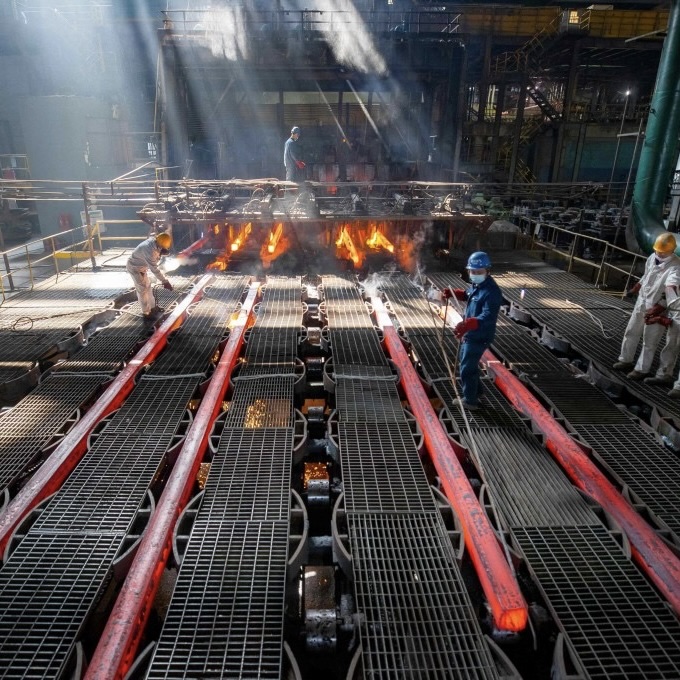
When the conversation turns to decarbonizing heavy industry — steel, cement, aluminum, glass — the corporate answer is almost always the same: "We will increase our share of recycled materials."
It's a great initiative. Recycled aluminum, for instance, avoids 95% of the emissions of primary production. But a clear-eyed look at global figures shows we are heading straight into a mathematical wall. There is simply not enough scrap available to meet global steel demand, and recycling concrete at scale remains an immense chemical and logistical challenge. Worse, the energy transition itself (wind turbines, solar panels, electric vehicles) is causing demand for these materials to explode.
To reach Net Zero by 2050, we cannot just change how we make things. We have to change what we sell. The real solution lies in a radical transformation of our business models.
This is the first installment of our "2050 Procurement Playbook" series.
1. The Weak Signal (Today): The end of ownership and the rise of "Product-as-a-Service"
The shift has already started — and it is not coming from regulators, but from industrial players themselves, who are looking to protect their margins from raw-material price volatility.
The strongest weak signal is the rise of the "Product-as-a-Service" (PaaS) model, also known as the functional economy. Instead of selling a product (which will eventually end up as waste), the company sells the use of that product.
- Michelin no longer just sells tires to truck fleets — it bills "kilometers driven," giving its own engineers an incentive to design tires that last as long as possible and can be retreaded.
- Signify (formerly Philips Lighting) sells "light" to Schiphol Airport, retaining ownership of the bulbs and infrastructure, which lets it recover rare materials at end of life.
Recent analyses estimate the global "Everything-as-a-Service" (XaaS) market is growing at more than 20% per year, proving that B2B buyers are ready to give up ownership in exchange for performance.
2. The 2050 Scenario: Material sobriety as a growth driver
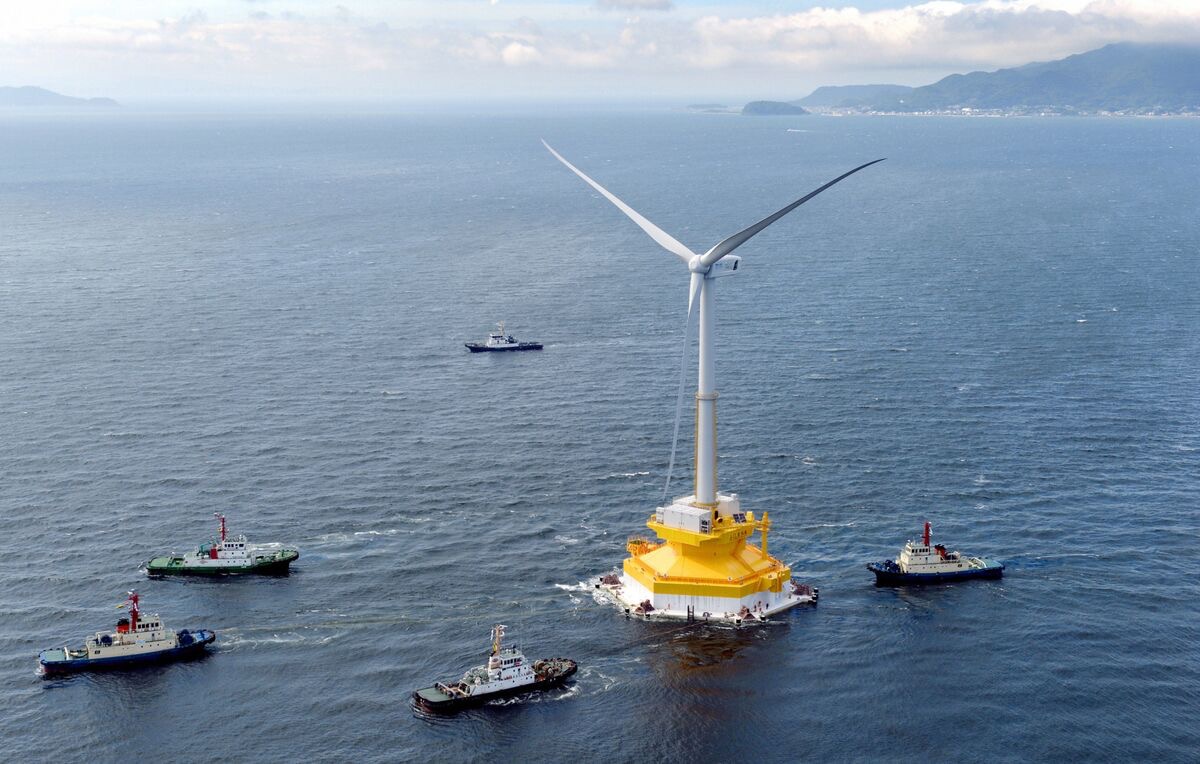
Look 25 years ahead. Under the International Energy Agency's (IEA) scenarios for reaching Net Zero by 2050, material efficiency and demand-reduction measures are absolutely non-negotiable. The IEA estimates that material-efficiency strategies can cut cement and steel demand in the buildings sector by at least 20%.
The World Economic Forum (WEF) and the Ellen MacArthur Foundation go further: the transition to a circular economy and transformed business models could unlock up to USD 4.5 trillion of economic value by 2030.
By 2050, the dominant model in heavy and manufacturing industries will be hybrid:
- Radical eco-design: Products will be designed from day one to be disassembled. Planned obsolescence will be not only illegal (as foreshadowed by the EU's ESPR directive), but, above all, anti-economic for manufacturers.
- Bio-based substitution: Engineered wood (mass timber) will widely replace steel and concrete in urban construction, turning buildings into carbon sinks.
- Maximizing usage: Vehicle and building occupancy rates will be driven sharply higher through digital platforms, reducing the need to build new.
3. The Procurement Playbook: What procurement teams must change today
For Chief Procurement Officers (CPOs) and supply chain strategists, waiting until 2040 to adapt sourcing processes is a fatal risk. Here is the playbook to activate today:
A. Buy performance, not volumes
Procurement teams must shift from a classic Total Cost of Ownership (TCO) approach to a "Total Value of Usage" approach. Write your RFPs not to buy 10,000 laptops or 50 tons of steel, but to buy guaranteed computing power over five years, or a structural frame guaranteed to be disassemblable.
B. Price carbon into every decision
With the Carbon Border Adjustment Mechanism (CBAM) in Europe, carbon now has a tangible price at the border. Buyers must require dynamic Life Cycle Assessments (LCA) from their suppliers. "Cheap" steel sourced from Asia can become unaffordable once the carbon tax is applied.
C. Secure reverse logistics
If your company shifts to a service model, procurement must structure return logistics. How do you collect, sort, and reintegrate end-of-life components into your own production chain? Your customers' waste becomes your most valuable raw material.
4. The be-cause Alert: Data is the only compass
Regulatory & Traceability Risk Alert:
The shift to circular models and the functional economy is impossible without absolute traceability. With regulations like CSRD, CSDDD, and especially the upcoming European Digital Product Passport (DPP), supply-chain opacity has become a financial and criminal risk.
It is also crucial to factor China into the equation. The recent integration of steel, aluminum, and cement into the Chinese carbon market (ETS) shows that global production standards are moving fast. Buyers must audit cross-compliance between European and Chinese requirements.
This is where technology comes in. Managing millions of data points on material origin, Scope 3 emissions, and N-tier supplier compliance can no longer be done in Excel. Artificial intelligence and ESG data platforms like be-cause are the only way to map these risks, detect greenwashing, and steer this future complexity in real time.
Frequently asked questions
References
- Fortune Business Insights — Everything as a Service (XaaS) Market Size & Forecast (2024)
- International Energy Agency (IEA) — Net Zero by 2050: A Roadmap for the Global Energy Sector (2021)
- World Economic Forum & Ellen MacArthur Foundation — The circular economy could be a $4.5 trillion business opportunity (2020)